

Key Takeaways
- The US military drone market is rapidly evolving, demanding advanced ISR capabilities and adaptable platforms.
- The Quantum Systems Vector is gaining global recognition, highlighting the importance of versatile, fixed-wing VTOL drones.
- AI and autonomy are increasingly crucial, as demonstrated by recent drone racing events and the need for rapid decision-making in military applications.
Imagine a scenario: a remote outpost, critical infrastructure, or a disaster zone. Now picture a silent observer soaring overhead, providing real-time intelligence, surveillance, and reconnaissance (ISR). This is the reality of modern military drones, and the US is at the forefront of this rapidly evolving technology. Welcome to your 2026 guide to understanding the US military drone market, its trends, and what's driving its innovation.
The Evolving Landscape of Military Drones
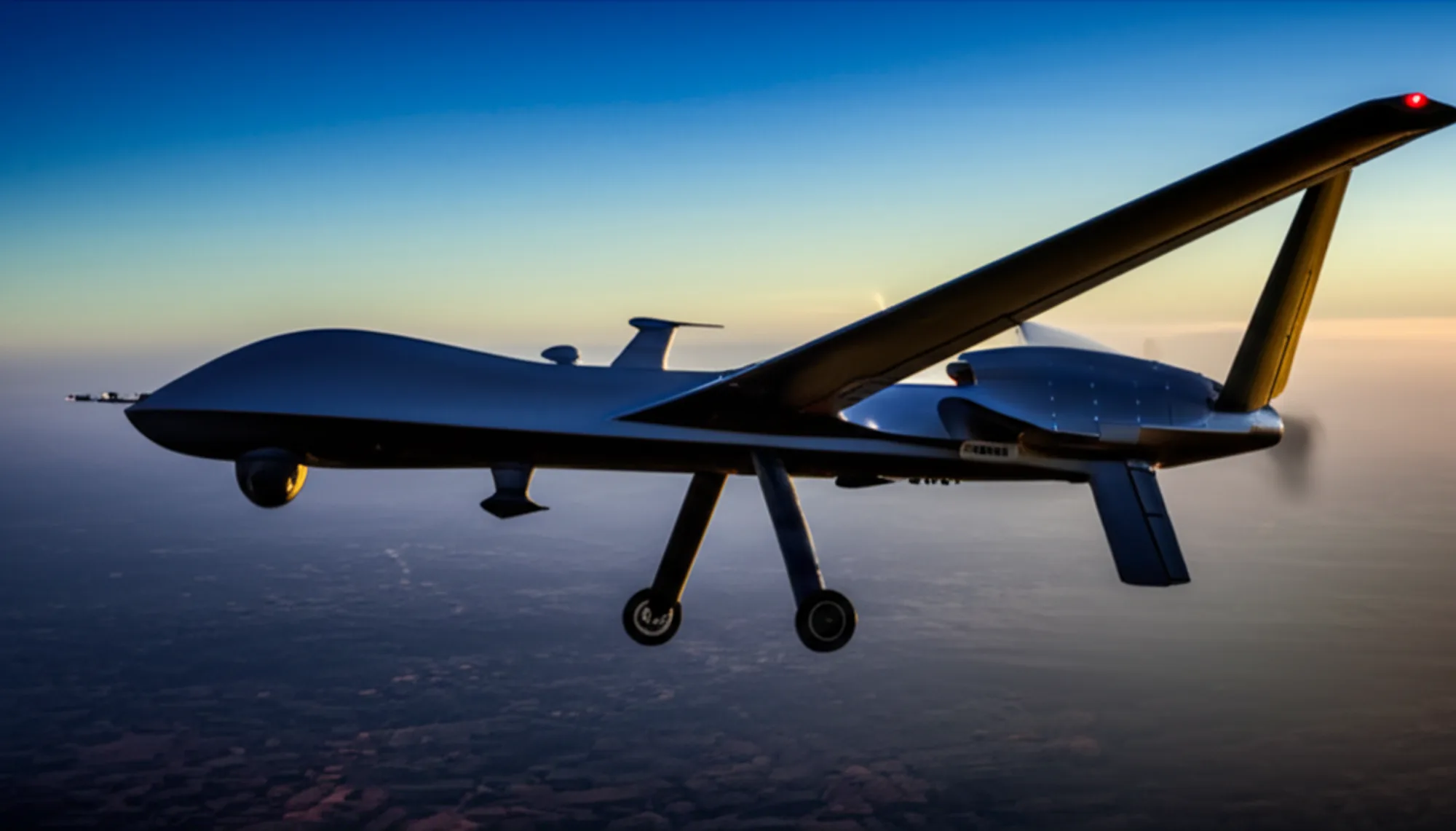
Have you ever wondered what separates a consumer drone from a military-grade UAV? It's more than just price. Military drones are characterized by their robust design, advanced sensors, secure communication, and sophisticated software. The US drone industry is pushing the boundaries of drone technology, with a focus on enhancing ISR capabilities, improving flight endurance, and integrating AI for autonomous operations. The counter-UAS market is equally important, driving demand for drones that can detect and neutralize hostile UAVs.
What most people don't realize is the sheer diversity of missions military drones undertake. From border patrol and reconnaissance to search and rescue, these platforms are invaluable assets. The demand for increasingly sophisticated ISR systems means the US military is investing heavily in research and development. This includes exploring new drone designs, such as fixed-wing VTOL (vertical take-off and landing) aircraft, and integrating cutting-edge sensors for enhanced situational awareness.
Quantum Systems Vector: A Global Benchmark
Here's where it gets interesting. While many US drone manufacturers are vying for military contracts, the Quantum Systems Vector is making waves internationally. This German-engineered drone has garnered significant attention for its versatility and performance, even earning recognition from the Ukrainian Armed Forces. According to sUAS News, the Vector received the "Army of Drones 2025" award, highlighting its effectiveness in demanding operational environments.
Why is this relevant to US drone pilots? The Vector's success demonstrates the growing importance of adaptable, multi-role platforms. Its fixed-wing VTOL design allows for both efficient long-range flight and convenient vertical take-off and landing, making it suitable for a wide range of missions. US drone manufacturers are taking note, and we can expect to see more drones with similar capabilities entering the market in the coming years. This trend also influences the demand for specific drone GPS trackers and navigation systems to ensure precise operation in contested environments.
The Rise of AI and Autonomy
Imagine the possibilities: drones that can autonomously navigate complex environments, identify targets, and make real-time decisions. This is the future of military drones, and AI is the key. The US military is investing heavily in AI-powered drone technology to enhance situational awareness, reduce operator workload, and improve mission effectiveness.
Pilot Mike from Austin discovered this firsthand during a recent military training exercise. He was tasked with manually controlling a drone to track a moving target in a simulated urban environment. The result? He struggled to keep up with the target's movements and quickly became overwhelmed. However, when he switched to the AI-assisted mode, the drone automatically tracked the target with ease, allowing him to focus on other critical tasks.
Recent events like the AI Robotic Racing League (A2RL) championship also highlight the increasing sophistication of AI in drone technology. As reported by DroneDJ, the competition between human pilots and AI-controlled drones came down to a single mistake. This underscores the rapid advancements in AI and its potential to surpass human capabilities in certain drone-related tasks.
Pro Tip: When evaluating military drones, pay close attention to their AI capabilities. Look for features such as autonomous navigation, object recognition, and predictive analytics. These features can significantly enhance mission effectiveness and reduce operator workload.
Market Trends and Future Outlook
Where is the US military drone market headed? Several key trends are shaping its future. First, there is a growing emphasis on modularity and interoperability. The military wants drones that can be easily configured for different missions and integrated with existing systems. Second, there is a strong demand for drones with enhanced cybersecurity features. Protecting drones from hacking and jamming is crucial for ensuring mission integrity. Finally, the integration of ADS-B transponders and other safety features will become increasingly important as drone operations become more complex.
The US drone industry is also facing challenges. Regulatory hurdles, supply chain disruptions, and competition from foreign manufacturers are all factors that could impact market growth. However, the US military's continued investment in drone technology and its commitment to innovation suggest that the market will remain strong in the years to come.
It's not just about high-tech warfare, though. As sUAS News reported, even local police forces are increasingly using drones for public safety, highlighting the versatility and growing acceptance of drone technology in various sectors.
Making Informed Decisions: A Buying Guide
So, what should you consider when evaluating military drones? Here’s a quick drone buying guide:
- Mission Requirements: What specific tasks will the drone be performing? Consider factors such as range, endurance, payload capacity, and sensor requirements.
- Platform Type: Fixed-wing, rotary-wing, or fixed-wing VTOL? Each type has its own advantages and disadvantages.
- Sensor Suite: What types of sensors are required? Options include EO/IR cameras, LiDAR, radar, and SIGINT systems. Check out our guide to the best drone gimbal cameras for more information.
- Communication and Data Security: How secure is the drone's communication link? Does it support encryption and other security features?
- AI and Autonomy: What level of autonomy does the drone offer? Does it support autonomous navigation, object recognition, and other AI-powered features?
- Cost: What is the total cost of ownership, including acquisition, maintenance, and training?
Remember, the best drone for your needs will depend on your specific requirements and budget. By carefully considering these factors, you can make an informed decision and select a platform that will help you achieve your mission objectives.
