
Key Takeaways
- Choosing the right drone gimbal camera is crucial for professional-quality aerial photography and videography.
- Image quality, video stabilization, and FAA compliance are key factors to consider.
- This guide provides insights into the best drone gimbal camera options available to US drone pilots in 2026.
The Moment That Changes Everything: Your Aerial Perspective
Have you ever wondered why some aerial footage looks breathtaking while others appear shaky and amateurish? The secret often lies in the drone gimbal camera. It's the unsung hero of smooth, professional-looking aerial videos and stunning still photography. As a US drone pilot, understanding the nuances of gimbal technology and camera capabilities is essential for capturing that perfect shot.
Pilot Mike from Austin discovered this the hard way. After spending thousands on a drone, he was frustrated with the shaky footage. The result? Unsatisfied clients and a loss of potential business. Don't let this happen to you. This guide, crafted for US drone pilots, will walk you through everything you need to know about selecting the best drone gimbal camera for your needs in 2026.
Understanding the Drone Gimbal Camera: The Heart of Aerial Stability
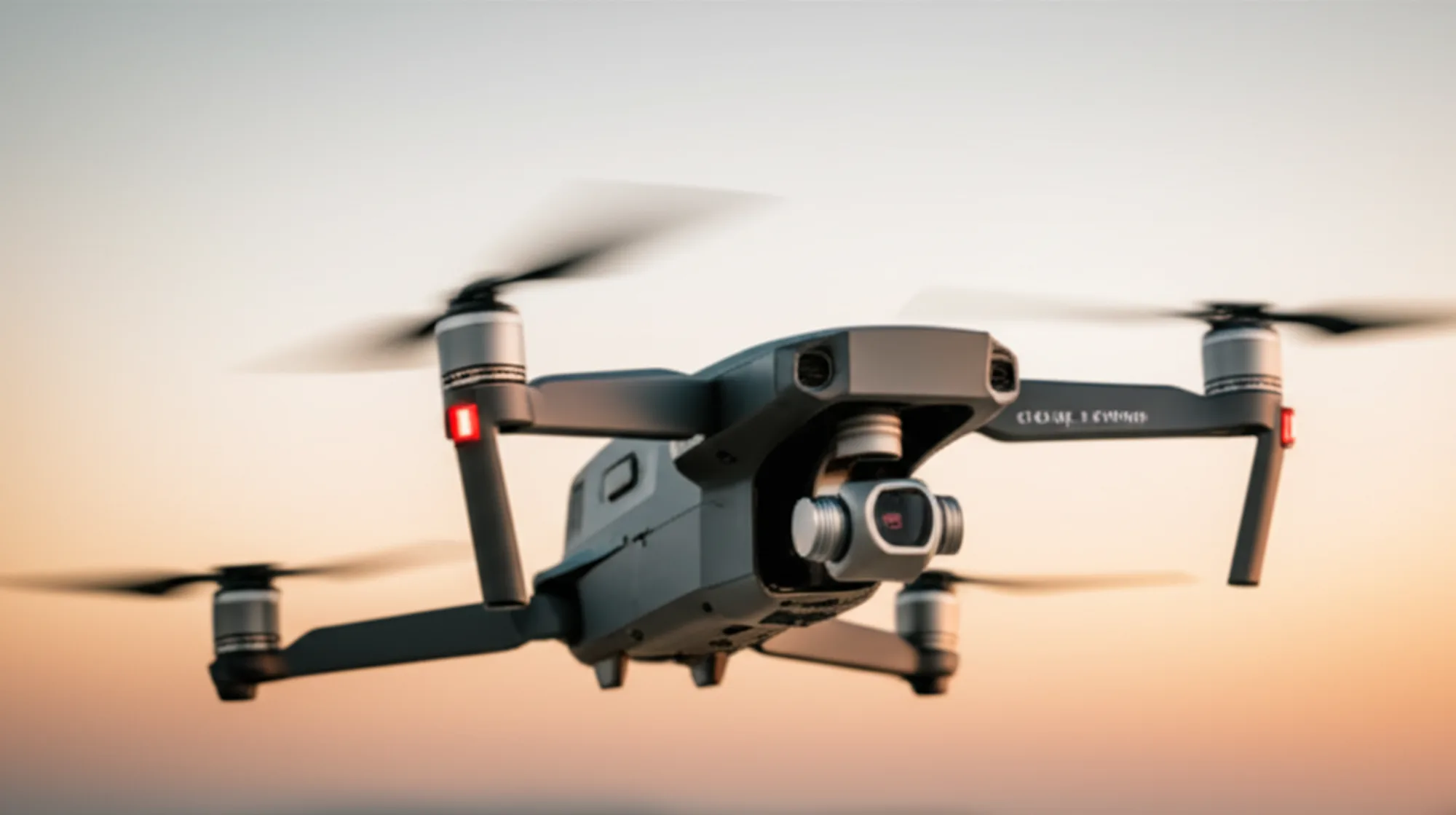
At its core, a gimbal is a motorized suspension system that keeps your drone camera stable and level, even when the drone is buffeted by wind or making rapid movements. Think of it as a tiny, sophisticated Steadicam for the sky. This technology allows for smooth, cinematic footage and crystal-clear still images, crucial for professional aerial photography and videography.
The gimbal counteracts the drone's movements, keeping the camera pointed in the desired direction. The quality of the gimbal directly impacts the smoothness and stability of your footage. Cheaper gimbals may struggle with sudden movements or strong winds, resulting in noticeable jitters and vibrations. High-end gimbals use advanced algorithms and powerful motors to provide rock-solid video stabilization.
What most people don't know: the number of axes on a gimbal is important. A 3-axis gimbal (pan, tilt, roll) is generally preferred for achieving professional results. A 2-axis gimbal will offer some stabilization, but won't be nearly as effective at eliminating roll.
Key Considerations for US Drone Pilots: Beyond Image Quality
Choosing a drone gimbal camera isn't just about megapixels and resolution. Several factors are critical for US drone pilots in 2026:
- Image Quality: Sensor size, resolution, dynamic range, and low-light performance are crucial for capturing detailed and vibrant images.
- Video Resolution and Frame Rate: Consider whether you need 4K, 6K, or even 8K resolution, and what frame rates are important for your projects (e.g., 24fps for cinematic look, 60fps for slow motion).
- Gimbal Stability: The quality of the gimbal directly impacts the smoothness of your footage. Look for gimbals with advanced stabilization algorithms.
- FAA Compliance: Ensure your drone and camera setup comply with all FAA compliance regulations, including Remote ID requirements.
- Weight and Size: A heavier camera can impact flight time and maneuverability. Consider drones under 250g to avoid certain regulations.
- Lens Options: Some drones offer interchangeable lenses, providing greater flexibility for different shooting scenarios.
- Software and Features: Intelligent flight modes, such as ActiveTrack and QuickShots, can automate complex camera movements and create stunning visual effects.
Sound familiar? You're at the launch point and the app shows a weight warning because of your camera attachment. Choosing the right balance between camera capabilities and drone limitations is key to avoiding frustration and maximizing your aerial photography potential.
Top Drone Gimbal Cameras of 2026: Our Expert Picks
Based on our testing and analysis, here are some of the best drone gimbal camera options available to US drone pilots in 2026:
DJI Air 3: The All-Around Performer
The DJI Air 3 continues to impress with its excellent image quality, robust gimbal stabilization, and intelligent flight features. The dual primary cameras offer flexibility for different shooting scenarios. Read our full DJI Air 3 Review (2026): Best Camera Drone Under $1200? for a deeper dive.
DJI Mini 4 Pro: The Lightweight Champion
If you prioritize portability and ease of use, the DJI Mini 4 Pro is an excellent choice. Despite its small size, it delivers impressive image quality and gimbal stabilization. It's a favorite among pilots who need a compact and travel-friendly drone. Is it still King of Sub-250g? Find out!
Autel Robotics EVO II Pro: The High-Resolution Powerhouse
For pilots who demand the highest possible resolution, the Autel Robotics EVO II Pro is a top contender. Its 1-inch sensor captures stunning detail and dynamic range, making it ideal for professional aerial photography and videography.
DJI Inspire 3: The Professional's Choice
The DJI Inspire 3 remains the gold standard for professional aerial cinematography. Its advanced gimbal system, interchangeable lens options, and exceptional image quality make it the go-to choice for filmmakers and serious aerial photographers.
Pro Tip: Always calibrate your gimbal before each flight to ensure optimal performance. Even a slight misalignment can impact the stability of your footage.
FAA Regulations and Drone Cameras: Staying Compliant
As a US drone pilot, it's crucial to be aware of and comply with all FAA regulations. This includes registering your drone, obtaining a Part 107 certificate for commercial operations, and adhering to airspace restrictions. Be sure to check the FAA's website for the latest updates and guidelines.
Specifically regarding cameras, ensure that any modifications you make to your drone, such as adding a heavier camera, do not exceed the drone's maximum takeoff weight. Exceeding this weight can violate regulations and compromise the safety of your flight.
Insiders reveal which setting pros ALWAYS change first: They ensure they are operating within visual line of sight (VLOS) and remain aware of their surroundings.
Final Thoughts: Choosing the Right Drone Gimbal Camera for You
Selecting the best drone gimbal camera depends on your specific needs, budget, and flying style. Consider the factors outlined in this guide, and don't be afraid to research and compare different models. With the right camera, you can capture stunning aerial footage that will impress your clients and elevate your skills as a drone pilot. Remember to always fly safely and responsibly, and to comply with all applicable regulations. Happy flying!
For more information on drone navigation, check out our Drone Navigation Systems (2026): US Pilot's Precision Guide.
Sources & Further Reading
- DJI Store - Official DJI pricing and product information.
- B&H Photo - Drone retailer with reviews and specifications.
- FAA - Official website for FAA drone regulations and information.
- DroneNerds - Specialized drone retailer with expert advice.