

Key Takeaways
- Coventry, UK police are deploying advanced drones, sparking debate on US regulatory implications.
- Increased use of police drones raises concerns about surveillance and privacy.
- US drone pilots should monitor FAA regulations regarding law enforcement drone operations.
Coventry Police Drone Program Sparks US Regulatory Debate
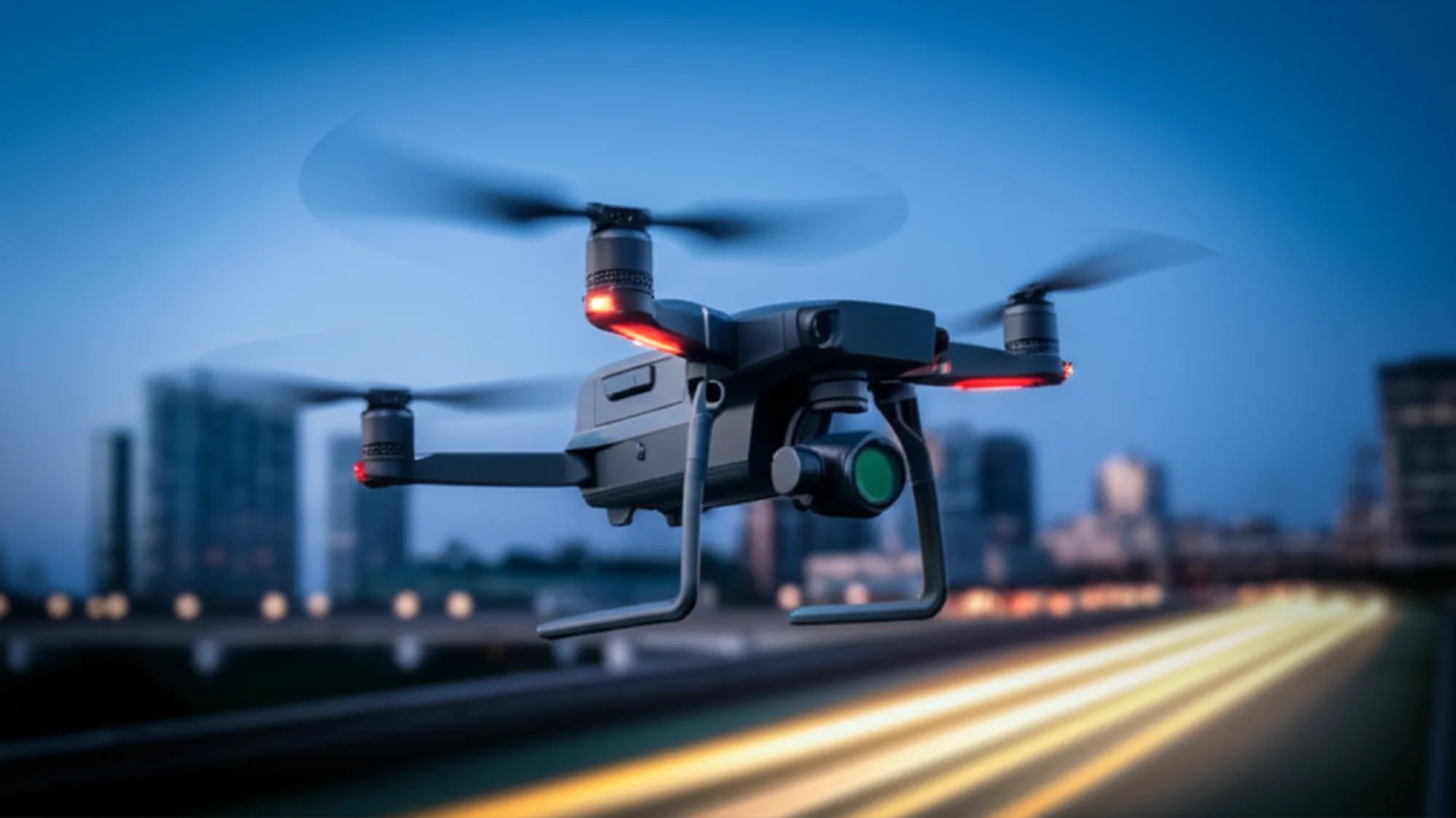
The Coventry Police Department in the UK is making headlines with its innovative deployment of remote-controlled police drones. These drones, equipped with advanced surveillance technology, are being used for a variety of tasks, from crime scene investigation to search and rescue operations. But this raises a crucial question for US drone pilots: what impact will these advancements have on US drone regulations, particularly concerning law enforcement?
The Rise of Police Drones: A New Era of Surveillance?
Imagine a scenario: a police drone, equipped with high-resolution cameras and thermal imaging, silently monitors a neighborhood. While proponents argue this enhances public safety, critics raise serious concerns about privacy violations. The Coventry deployment highlights the increasing reliance on drone technology for law enforcement globally. This, in turn, puts pressure on the FAA to clarify and potentially tighten drone regulations in the United States to address these growing concerns.
Pilot Mike from Austin discovered this firsthand. "I was flying my drone near a park when I noticed a police drone nearby. It made me uncomfortable, wondering if I was being watched." This sentiment is becoming increasingly common as police drones become more prevalent.
FAA's Balancing Act: Public Safety vs. Privacy
The FAA faces a delicate balancing act. On one hand, law enforcement agencies argue that drones are essential tools for improving public safety and efficiency. On the other hand, civil liberties groups are pushing for stricter regulations to protect individual privacy rights. According to the FAA, all drone operations must comply with Part 107 regulations, but these regulations don't specifically address the unique challenges posed by police drone operations.
What most pilots don't know is that the FAA can issue waivers for certain Part 107 restrictions, potentially allowing law enforcement agencies to operate drones beyond visual line of sight (BVLOS) or at night, further amplifying privacy concerns. To navigate this complex landscape, it's crucial to understand Part 107 waivers and their implications.
The Coventry Model: A Glimpse into the Future?
The Coventry model, with its advanced remote control capabilities and sophisticated surveillance equipment, offers a glimpse into the potential future of police drone operations in the US. While the specific drone models used in Coventry may differ from those deployed in the US, the underlying principles and concerns remain the same. The core issue revolves around balancing the benefits of enhanced law enforcement capabilities with the fundamental right to privacy.
Pro Tip: Stay informed about local and state regulations regarding drone surveillance. Some states have already enacted laws restricting the use of drones for surveillance purposes. Check the B4UFLY app for airspace restrictions and local advisories.
What's Next: Monitoring Regulatory Changes
The increasing use of police drones will undoubtedly continue to shape the regulatory landscape in the US. US drone pilots should closely monitor updates from the FAA and other relevant agencies regarding drone regulations, particularly those pertaining to law enforcement operations. Staying informed and proactive is crucial to ensuring compliance and responsible drone operation.
Sources & Further Reading
- sUAS News - Remote controlled police drones keeping Coventry safe
- sUAS News - Quantum Systems’ Vector recognized by Ukrainian Armed Forces with “Army of Drones 2025” award
- DroneDJ - Humans vs. AI drones: The finish came down to one mistake
- FAA - Official FAA drone regulations
- B4UFLY - Official FAA airspace app
